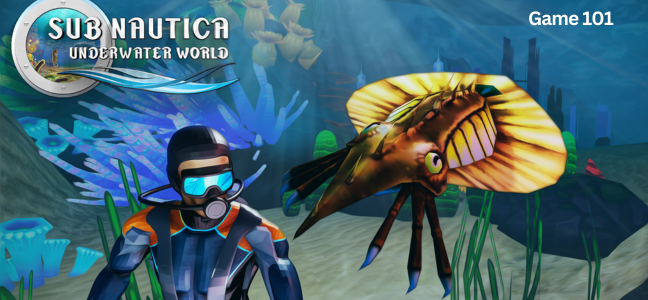

The ocean is Earth’s final frontier. Beneath the waves lies a world of stunning beauty, alien creatures, and hidden dangers. For centuries, humans have dreamed of exploring these depths, of discovering sunken cities and unknown species. But the ocean is also unforgiving. One mistake, one lapse in oxygen management, one encounter with a predator, and the dream becomes a nightmare.
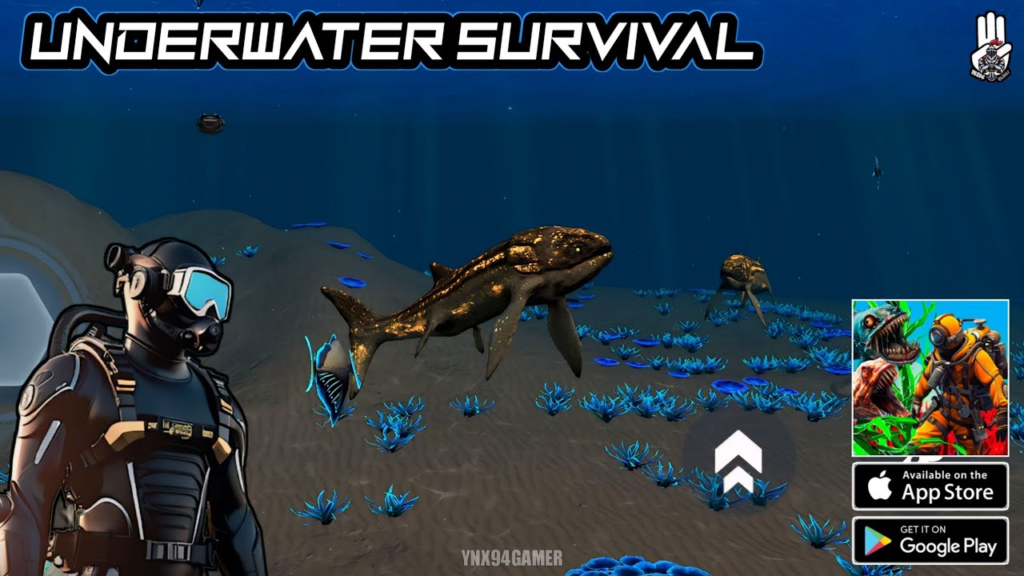
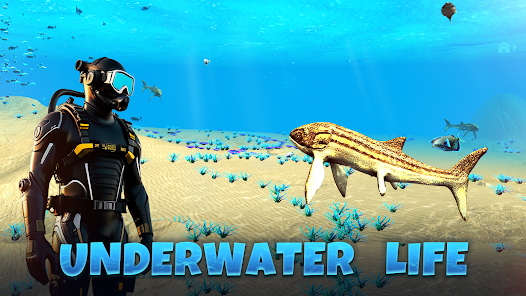
Underwater Survival, published by Ultra Games Entertainment Private Limited, captures this duality perfectly. It invites you to dive into a mysterious and beautiful underwater world where exploration, discovery, and survival come together in a stunning ocean environment. You swim through vibrant seas, uncover hidden secrets, and fight to stay alive against the many threats lurking in the deep.
In this article, we will explore everything Underwater Survival has to offer: how to play, the survival mechanics, exploration tips, and why this browser-based adventure is worth your time.
What Is Underwater Survival? An Oceanic Adventure Awaits
Underwater Survival is an HTML5 exploration and survival game built using WebGL technology. It is available on GameDistribution and is fully compatible with mobile web browsers on iOS and Android, as well as desktop computers. The game was published by Ultra Games Entertainment Private Limited in April 2026.
The premise is simple but evocative. You are in an underwater environment. Your goal is to survive—to manage your oxygen, find resources, avoid dangers, and explore the depths. The game emphasizes both the beauty of the ocean (vibrant visuals, mysterious secrets) and its hostility (limited oxygen, predators).
Key Features at a Glance
- Underwater Exploration: Swim through a stunning ocean environment.
- Survival Mechanics: Manage oxygen, health, and resources.
- Discovery: Uncover hidden secrets and mysterious locations.
- Beautiful Visuals: Vibrant, colorful underwater graphics.
- Simple Controls: WASD, arrow keys, or left mouse button to move.
- Cross-Platform: Works on desktop and mobile (iOS/Android).
- Free to Play: No cost to access the core gameplay.
How to Play: Navigating the Depths
The controls are flexible, accommodating different player preferences.
Movement Controls
| Control Method | Action |
|---|---|
| WASD Keys | W = Up, A = Left, S = Down, D = Right |
| Arrow Keys | Up = Up, Left = Left, Down = Down, Right = Right |
| Left Mouse Button | Click and drag to move your character (or click on location to move) |
Having multiple control options is thoughtful design. Keyboard purists can use WASD or arrows. Casual players or those on touch devices can use the mouse (or touch equivalent) for point-and-click movement.
Core Gameplay Loop
While the source material does not provide a detailed step-by-step, typical underwater survival games follow this structure:
- Start Your Dive: You begin at a safe location (maybe a boat, submarine, or shallow reef). Your oxygen tank is full.
- Explore the Ocean: Swim in any direction. The world is open. You will find different biomes (coral reefs, kelp forests, deep trenches, caves).
- Manage Oxygen: A meter shows your remaining oxygen. When it runs out, you start losing health or die. Find oxygen refill stations or surface to breathe.
- Collect Resources: Gather items like seaweed, shellfish, salvage from wrecks, or rare crystals. These may be used for crafting, trading, or quests.
- Avoid Dangers: Sharks, electric eels, giant squid, poisonous jellyfish, and environmental hazards (whirlpools, underwater volcanoes) can hurt or kill you.
- Uncover Secrets: Discover hidden caves, sunken ships, ancient ruins, and mysterious creatures. These discoveries may provide lore, rare resources, or progression triggers.
- Survive: Return to your safe location with resources. Upgrade your equipment (larger oxygen tank, faster fins, better light) to dive deeper and longer.
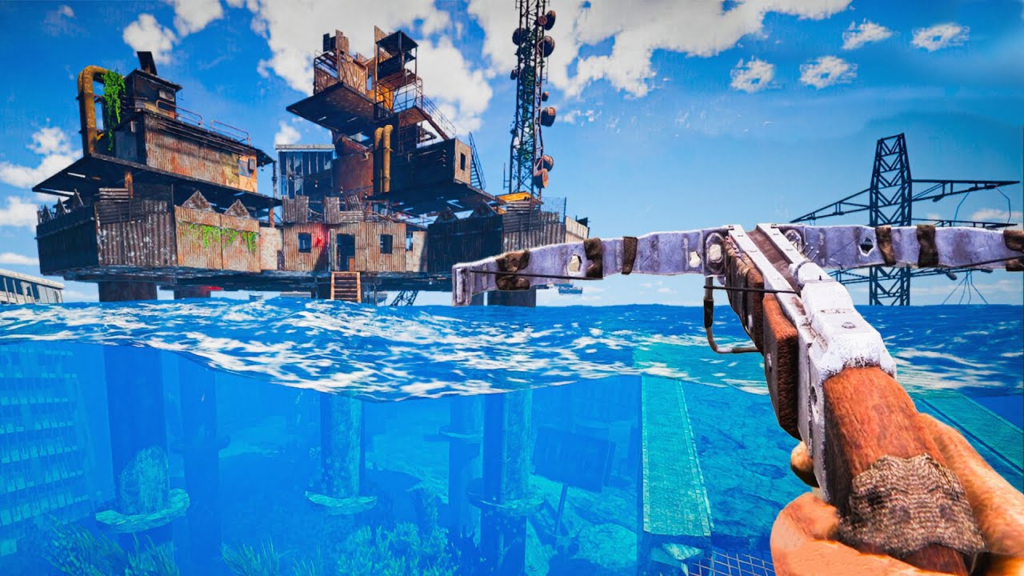
Survival Mechanics: Staying Alive Beneath the Waves
Underwater Survival is not just an exploration game; it is a survival game. Several mechanics keep you engaged and alert.
Oxygen Management
Your most immediate concern. You cannot breathe underwater indefinitely. The oxygen meter is your countdown clock.
- Depletion: Oxygen decreases over time. It decreases faster if you are swimming quickly or exerting yourself.
- Refills: Find oxygen bubbles, refill stations, or surface (if you are in shallow water) to replenish.
- Upgrades: Find or craft larger oxygen tanks to extend your dive time.
Health and Damage
You can take damage from various sources:
- Predators: Sharks and other aggressive creatures attack on sight.
- Hazards: Contact with jellyfish, urchins, or thermal vents causes damage.
- Oxygen Loss: If your oxygen reaches zero, you take continuous damage until you breathe again or die.
Health may regenerate slowly over time or require using medical items (bandages, first aid kits) crafted from resources.
Hunger and Thirst (Possibly)
Some underwater survival games include hunger and thirst meters. You need to eat fish or drink fresh water (maybe from underwater springs). The source material does not specify, so check the game itself.
Exploration: A Vibrant and Mysterious World
The game emphasizes the beauty of its environment: “stunning ocean environment,” “vibrant and mysterious sea,” “breathtaking visuals.”
Biomes You Might Encounter
| Biome | Description | Typical Dangers |
|---|---|---|
| Coral Reefs | Colorful, shallow, abundant fish and plant life. | Small predators (lionfish, moray eels) |
| Kelp Forests | Tall seaweed sways in the current. Dense and disorienting. | Entanglement, ambush predators. |
| Open Ocean | Deep, blue, little cover. | Large predators (sharks, whales). |
| Deep Trenches | Dark, cold, high pressure. | Bioluminescent creatures, giant squid. |
| Underwater Caves | Tight passages, limited oxygen, hidden treasures. | Getting lost, cave-ins, blind predators. |
| Sunken Ruins/Ships | Man-made structures, loot, lore. | Hazards (broken glass, unstable structures). |
Secrets and Discoveries
The game promises “hidden secrets.” These could include:
- Sunken Cities: Evidence of an ancient civilization. Maybe you find tools, art, or writing.
- Mythical Creatures: A kraken, a sea serpent, a mermaid. These may be friendly, hostile, or neutral.
- Natural Wonders: Underwater volcanoes, bioluminescent bays, crystal caves.
- Lore Pieces: Notes in bottles, carvings on walls, audio logs that tell a story about previous explorers.
Visuals and Atmosphere: Breathtaking and Immersive
Underwater Survival’s visuals are a key selling point.
Visual Style
Expect vibrant colors, realistic water effects, and detailed marine life. Coral reefs should pop with pinks, oranges, and purples. Deep areas should be dark and moody, with bioluminescent glows. The game likely uses particle effects for bubbles, sunlight rays filtering through the water, and sand stirred up by your movement.
Sound Design (Inferred)
Sound is crucial for immersion in an underwater game.
- Ambient: The muffled sound of water, distant whale songs, the crackle of coral.
- Movement: Bubbles when you swim, the crunch of sand, the swish of kelp.
- Dangers: A sudden musical sting when a shark approaches. The rumble of an underwater earthquake.
- Discovery: A haunting melody when you enter a sunken ruin. A chime when you find a secret.
Wear headphones for the full effect.
Strategies for Deep-Sea Survival
Want to explore the deepest trenches and uncover every secret? Follow these strategies.
1. Never Let Your Oxygen Drop Below Half
Treat the oxygen meter like a fuel gauge. When it hits 50%, start heading toward a refill point or the surface. Unexpected delays (a predator attack, getting lost in a cave) can kill you if you are already low.
2. Learn Predator Patterns
Each predator likely has a pattern:
- Sharks: Patrol certain areas. They attack when you get too close. Swim wide around their patrol zone.
- Eels: Hide in holes. They lunge out when you swim past. Move slowly and be ready to dodge.
- Jellyfish: Drift with the current. They do not chase you, but touching them hurts. Navigate between them.
3. Use the Environment as Cover
In open ocean with no cover, you are vulnerable. Stay near reefs, wrecks, or kelp forests. These provide hiding spots and obstacles that predators must navigate.
4. Mark Interesting Locations
If the game has a map system, use it. Mark where you found resources, oxygen refills, and secrets. If there is no map, use real-world landmarks. “The sunken ship with the red flag” is easier to find than “somewhere in the kelp forest.”
5. Upgrade Oxygen First
When you have the resources to upgrade, prioritize oxygen capacity. A larger tank means longer dives, which means more exploration between returns to safety. After oxygen, upgrade speed (to outrun predators) or light (to see in deep, dark areas).
Technical Requirements and Compatibility
Underwater Survival is built using WebGL and runs in any modern web browser.
| Requirement | Details |
|---|---|
| Platform | Desktop, laptop, smartphone, tablet |
| Operating System | Windows, macOS, Linux, iOS, Android |
| Browser | Chrome, Firefox, Safari, Edge (latest versions) |
| Technology | HTML5 / WebGL |
| Controls | Keyboard (WASD/arrows) or mouse (click/drag) |
| Screen Orientation | Landscape (800×600) |
| Internet | Required for initial load; offline play possible after loading |
The game’s 800×600 resolution and WebGL backend ensure smooth performance on most devices. On a phone, the landscape orientation means turning your device sideways is best.
Privacy and Cookie Notice
Like most free online games, Underwater Survival is hosted on websites that may use cookies for advertising, analytics, and functionality. These include:
- Strictly Necessary Cookies: Required for the game to load and run properly.
- Performance Cookies: Help the website understand how players interact with the game.
- Targeting Cookies: Used to show relevant advertisements based on your interests.
You can typically manage these preferences through the website’s cookie consent tool. Playing in a private browsing window or using a browser with built-in tracker blocking can limit data collection.
Frequently Asked Questions (FAQs)
1. Is Underwater Survival free to play?
Yes. The game is completely free. There are no download fees, subscription costs, or mandatory in-game purchases. Some hosting sites may include optional advertisements, but these do not block core gameplay.
2. What are the controls for Underwater Survival?
You can use WASD keys, arrow keys, or the left mouse button to move your character. Choose whichever control scheme feels most comfortable.
3. How do I manage oxygen in Underwater Survival?
Your oxygen level is displayed on a meter. It decreases over time. Find oxygen refill bubbles or stations, or swim to the surface (if in shallow water) to replenish. Upgrading your equipment may increase your oxygen capacity.
4. Are there dangerous creatures in Underwater Survival?
Yes. The game includes predators such as sharks and other hostile marine life. You must avoid them or find ways to defend yourself (depending on game mechanics).
5. Can I play Underwater Survival on my phone?
Yes. The game is marked as mobile web compatible for both iOS and Android. You can use touch controls (tap and drag, or click on location). For the best experience, hold your phone in landscape orientation (sideways).
Conclusion: A Deep and Beautiful Challenge
Underwater Survival offers a compelling blend of exploration and tension. The vibrant visuals and mysterious secrets invite you to swim deeper. The oxygen meter and lurking predators remind you that the ocean is not a playground—it is a wilderness.
For players who enjoy survival games, exploration adventures, or simply want to escape into a beautiful digital ocean, Underwater Survival is a fantastic free option. The flexible controls (keyboard or mouse) and cross-platform compatibility mean you can dive in from almost any device.